 Scammers could be lurking as you go about pursuing your home search or sale. Victims of real estate scams can rob you of your property, steal your money, lead to bankruptcy and damaged credit reports, and require substantial attorney fees to sort out the legal mess.
Be cautious and stay informed as you conduct your real estate transactions. Review some examples of predatory and fraudulent practices such as predatory lending, foreclosure rescue schemes, property misrepresentation, fraudulent loans, and unscrupulous buyers. Here are six of the more common home buying hoaxes and predators to avoid.
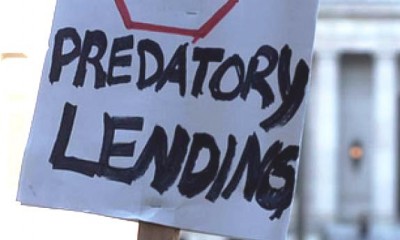
Predatory Lending
Predatory lending covers a broad range of schemes that typically ensnare unsophisticated, financially strapped, or older buyers. A perpetrator can be a door-to-door sales person or a telemarketer who promises no-money-down loans or loans that don’t require credit checks. And to further complicate things, what they’re doing may not necessarily be illegal.
It all starts with the signing of paperwork that subjects the borrower to exorbitant fees and interest, saddling them with payments they had not anticipated and are unable to meet.
Some suspicious signs that may indicate a predatory loan:
- The loan is higher than the value of a home.
- You are required to buy credit insurance. (This is optional in legitimate loans.)
- Unexpected costs at settlement were not explained to you.
- You have a balloon loan where after a series of low payments, you are required to pay a large lump sum that would require you to obtain another loan to finance the lump sum.
- You are encouraged to include false information.
- The loan agreement includes blank lines.
- The lender alters the loan.
Foreclosure Rescue
Preying on homeowners who are behind on their mortgage payments and fearful of foreclosure, this scammer assures you that they can help you can avert a foreclosure. You’re asked to pay upfront fees and not to contact your lender.
One scenario goes like this. You’re asked to sign a temporary title transfer so you can stay in your home by paying rent to the rescue company. What often happens is that once the company obtains the title, they pay you an amount lower than you could have received had you sold the home on the market—plus, you’re still on the hook for the original mortgage payments.
Equity skimming
Equity skimming occurs when a buyer convinces a seller to re-list their home for an inflated amount so that they (the buyer) can obtain a larger mortgage from their bank. What often happens in these situations is that the buyer will take out the larger mortgage, pay the seller the original asking price, and then disappear with the remainder of the mortgage payment. The typical end result is that the house goes into foreclosure.
Fake Buyers
If you’re attempting to sell your home on your own without an agent, look out for people posing as buyers. Here’s how it can play out. You get a call from someone claiming to live outside the country. They tell you they are moving to the U.S. and want to buy your home and will pay cash. Next, they tell you they need your bank information in order to wire your bank the cash. There is no cash. They have no intention of buying your home. They wanted access to your bank information to try to take money out of your account, not put money into it.
Bait and Switch Buyers
Another example using the lure of cash is the bait and switch buyer. A cash buyer offers you an attractive verbal offer and awaits your verbal acceptance. When it comes time to sign the written contract, it’s different from what you and the buyer verbally agreed to— sometimes unrecognizable from the verbal agreement. The buyer is hoping you won’t read the contract carefully and discover those changes.
Phony Agents
Open houses are great for marketing your home. But you can’t always trust people are who they say they are—even if they attend your open house and know details about your home and situation. The ruse goes like this. This person claims to be an agent representing an interested buyer. They try to negotiate a price with you. You tell them you’re interested. They then tell you there’s a commission. If you refuse to pay the commission they threaten to sue, claiming they’re entitled to a finder’s fee, since they introduced you to a buyer. Why is this bogus? Sellers are under no obligation to pay a finder’s fee.
Don’t Rush It
Emotions can run high in real estate transactions, and you’re not always thinking clearly when you think you’ve found a buyer making an attractive offer. Keep a level head, don’t act rashly, and do your homework. Here are some additional tips:
- Consult a recognized professional real estate agent with experience and a track record.
- Do your research. The internet and search engines have made this so much easier.
- Consult the real estate commission and district attorney consumer fraud department if something sounds too good to be true or seems fishy.
- Get everything in writing.
- Read carefully.
- Ask questions when you don’t understand what you’re reading or what someone is telling you.
