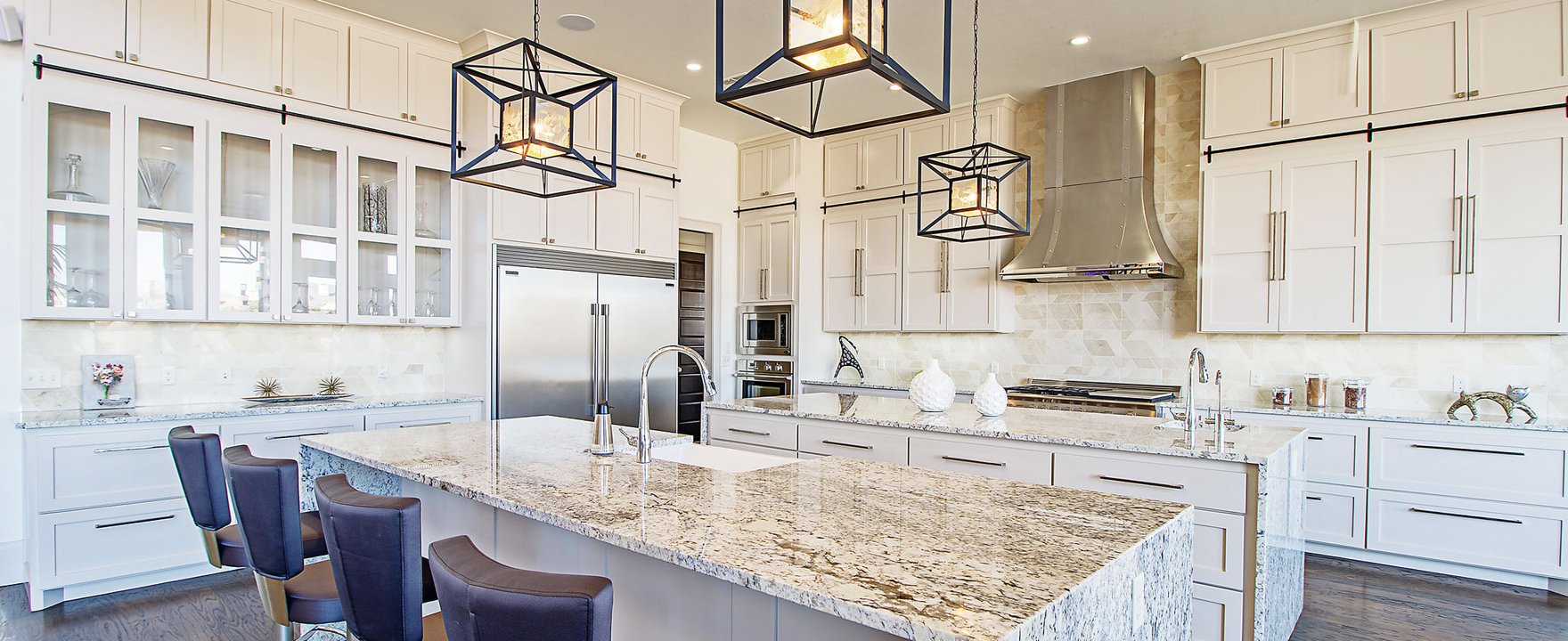
10 Questions Buyers Should Ask Home Inspectors
Don't Let Hidden Problems Become Expensive Surprises: 10 Must-Ask Questions for Your Home Inspector
Buying a home is a thrilling adventure, but it can also be stressful. You've found a place that ticks all your boxes, but what lurks beneath the surface? A thorough home inspection is your best defense against unexpected problems that could turn into costly repairs down the road.
Here's the catch: not all home inspectors are created equal. Choosing the right one can mean the difference between a smooth, informative experience and a nagging feeling of uncertainty. So, how do you ensure you're hiring a qualified professional who will provide a detailed report empowering you to make confident decisions?
The Secret Weapon: 10 Key Questions for Your Home Inspector
By asking the right questions, you can transform the home inspection from a stressful formality into a valuable learning opportunity. Here are 10 key questions to ask before you book your inspection:
- Qualifications & Standards: Experience is important, but so is following industry standards. Ask if the inspector's work adheres to recognized standards established by organizations like the American Society of Home Inspectors (ASHI) or the National Association of Home Inspectors (NAHI). These standards ensure a thorough inspection that meets industry best practices.
- Professional Association: Membership in a reputable home inspector association is a strong indicator of professionalism and commitment to ethical practices. Look for inspectors who belong to associations with strict codes of ethics, ensuring they prioritize your needs over potential conflicts of interest.
- Experience Matters: While a seasoned inspector brings valuable experience to the table, new inspectors can also be highly qualified. Ask about the inspector's experience level, the number of inspections they've completed, and their willingness to work with a more experienced partner if needed.
- Keeping Up with the Latest: Building codes and inspection practices evolve over time. Ask how the inspector stays up-to-date on the latest industry knowledge through continuing education programs. This ensures they can identify potential issues specific to your home's age, construction materials, and local regulations.
- Residential Expertise is Key: Home inspections differ significantly from commercial building inspections. Ensure the inspector specializes in residential properties and understands the unique systems and components of a single-family home. If you're looking at a historic property, inquire about their experience with similar structures.
- Avoiding Conflicts of Interest: Some states allow inspectors to offer repair services for problems identified during the inspection. While this might seem convenient, it can create a conflict of interest. Ask about the inspector's policy and whether they recommend separate repair professionals.
- Time for a Thorough Examination: A comprehensive inspection takes time. Ask the inspector for an average timeframe for a typical home inspection of similar size and age. Be wary of inspectors who offer significantly shorter inspection times, as this could indicate a less thorough examination.
- Understanding the Cost: Inspection fees can vary depending on your location, the size and age of the house, and the scope of services offered. Get a clear quote upfront and avoid inspectors whose prices seem too good to be true. Remember, a thorough inspection is an investment that can save you money in the long run.
- Seeing is Believing: Sample Reports Inspection reports can vary in format and detail. Ask the inspector to provide a sample report so you can understand their reporting style and the level of detail they provide. This will help you gauge if their reports are clear and easy to comprehend.
- Your Participation Matters: The home inspection is a valuable learning experience for you, the buyer. Ask the inspector if you can attend the inspection and ask questions throughout the process. A qualified inspector will welcome your participation and encourage you to learn about your potential new home.
By asking these questions, you'll be well on your way to a smooth and informative home inspection that empowers you to make confident decisions about your future home. Don't let hidden problems become expensive surprises – take control of the process and ensure a stress-free journey towards homeownership!
Address Search
Ready to Buy a Home?
Our team is comprised of experienced specialists that can create personalized searches for you, send you listings that match your criteria, take you to view homes, and serve you through the entire homebuying process.
Browse by City
Create Your Own Home Search
Our team is comprised of experienced specialists that can create personalized searches for you, send you listings that match your criteria, take you to view homes, and serve you through the entire homebuying process.
Browse Free Buyer Resources
Browse our thorough and FREE buyer resources. These are provided to you to help give you as much information as possible so you feel equipped and ready for the next step in your real estate journey. Everyone's timeline and situation looks different and we are here to help every unique situation and circumstance.
Still Have Questions?
We are always here to assist you with any questions you may have. Simply message us through the live chat feature in the bottom right of your screen or via our contact us page.